 Image 1 of 1
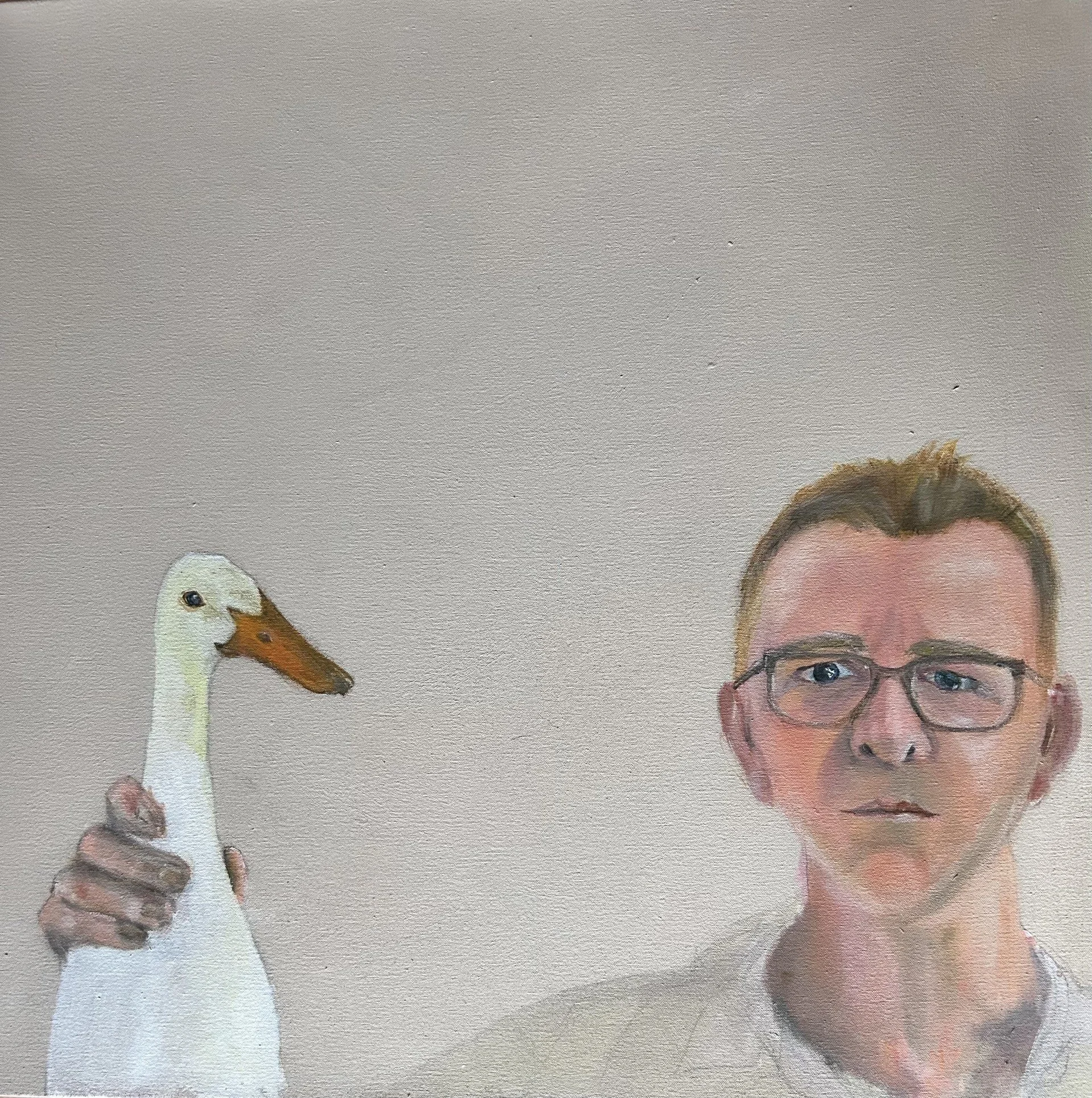
Medium: acrylic paint on canvas
Dimensions: To be confirmed
I sign the canvas on the front, at the bottom.
All paintings come ready to hang.
You may purchase this painting unframed, or with a tray frame at an additional cost. The tray frame is a wooden frame made from FSC certified Obeche wood, and is waxed with an antique oak finish. It does not contain glass, it allows the painting to ‘float’ within a wooden frame.
Free shipping
This painting is painted on canvas. The canvas is stretched on a stretcher. For delivery, the painting is packaged between sheets of plywood. A Phillips, crosshead screwdriver will be needed to uncrate the painting. The painting will be insured to the value of the artwork. I am able to ship all artworks worldwide. Artworks are dispatched within 10 days of purchase and I will update you with relevant delivery dates as much as possible
I am more than happy to welcome you for a studio visit. My studio is in Abingdon, near Oxford, UK.
Please get in touch if you have any special requests or questions relating to this painting.